Spain Adventure Planner · Est. 2026

Spain, sequenced properly — not squeezed into a checklist.

Eight cities, four very different climates and one rail network that rewards people who plan backwards from their return flight. We build route logic for Barcelona, Madrid, Seville, Granada, Mallorca, Ibiza, Valencia and Tenerife: what to book ahead, what to leave loose, and how much ground a day can honestly cover.

Independent planning resource. We are not a booking agent and we take no commission from operators.

What this planner covers

The scope, in plain numbers

  • 8Spanish destinations mapped end to end
  • 5Regional route guides, each with sample pacing
  • 3Transport modes compared: rail, ferry, hire car
  • 12Months of season notes, shoulder seasons included

The guides

Five routes that actually connect

Each guide is written around one travel corridor rather than one landmark. Open the region you are flying into, read the pacing section first, then decide whether you are building a single-base trip or a moving one.

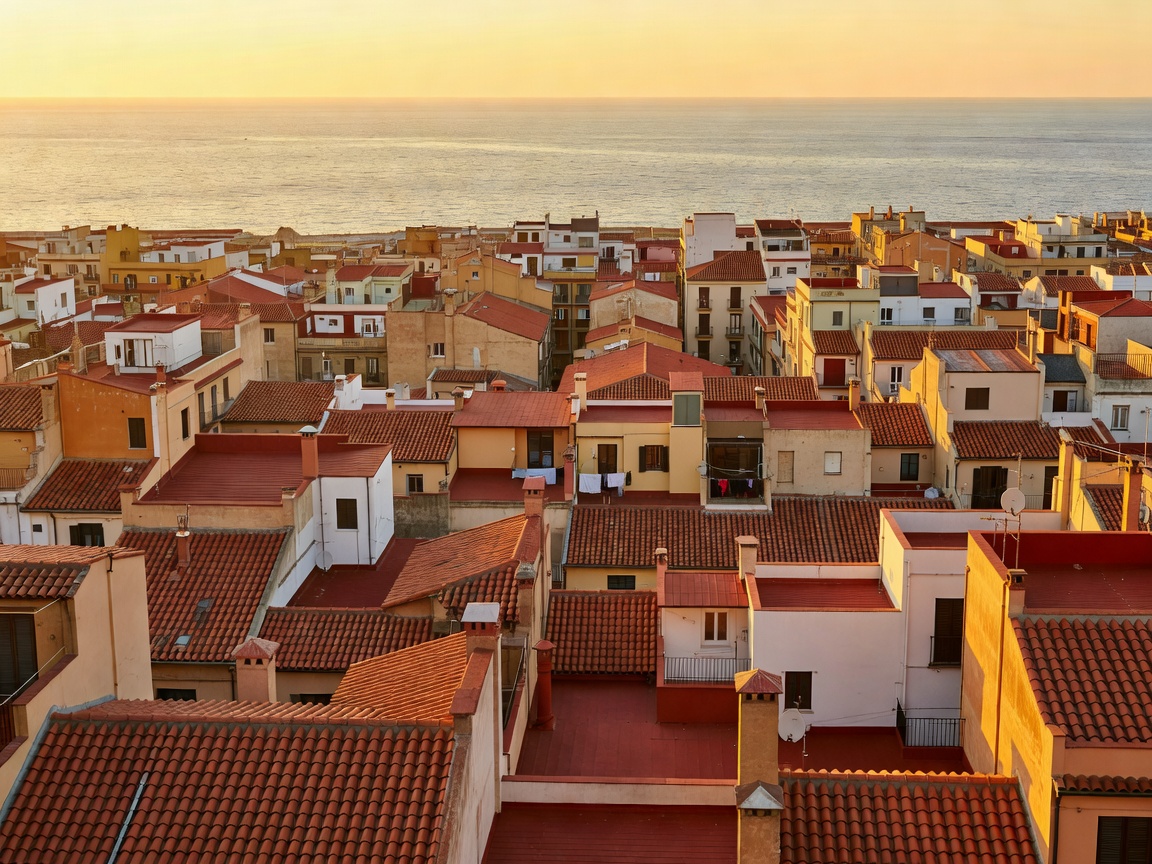
Dense Barcelona rooftops leading towards the Mediterranean shoreline at golden hour

Guide 01 · Catalonia

Barcelona & the Catalan Coast

Timed-entry culture, a metro that makes taxis pointless, and two coastlines pulling in opposite directions. How to split city days from Costa Brava and Sitges days without wasting a morning on trains.

  • City base
  • Rodalies day trips
  • 4–7 nights
Read the Barcelona route
Wide Madrid boulevard with stone facades and street trees under a clear sky

Guide 02 · Central Spain

Madrid & the Central Plateau

The best rail hub in the country, three major art museums within one walk, and day trips to Toledo, Segovia and Avila that work as half-days if you pick the right departure.

  • Rail hub
  • Museum pacing
  • 3–5 nights
Read the Madrid route

How we build a Spain route

Four decisions, in this order

  1. Fix the entry and exit airports first

    Spain has strong regional airports, so an open-jaw itinerary — in through Barcelona, out through Seville or Palma — often removes an entire backtracking day. Decide this before you look at hotels, because it changes every other choice.

  2. Choose bases, then day trips

    Three nights is the practical minimum for a city base once you subtract arrival and departure afternoons. If a place cannot justify three nights, treat it as a day trip from somewhere that can.

  3. Book only what sells out

    A small number of sites work on timed entry and genuinely fill in peak months. Book those, plus long-distance rail where advance fares are cheaper, and leave restaurants and beaches unbooked.

  4. Write the day around the heat

    From roughly June to September, inland Andalucía and central Spain run hot in the afternoon. Move sightseeing to early morning and late evening, and put indoor or coastal time in the middle. This is a scheduling problem, not an endurance test.